

Top 10 AI Prompts for Aesthetic Still Life Photography of Vintage Collectibles
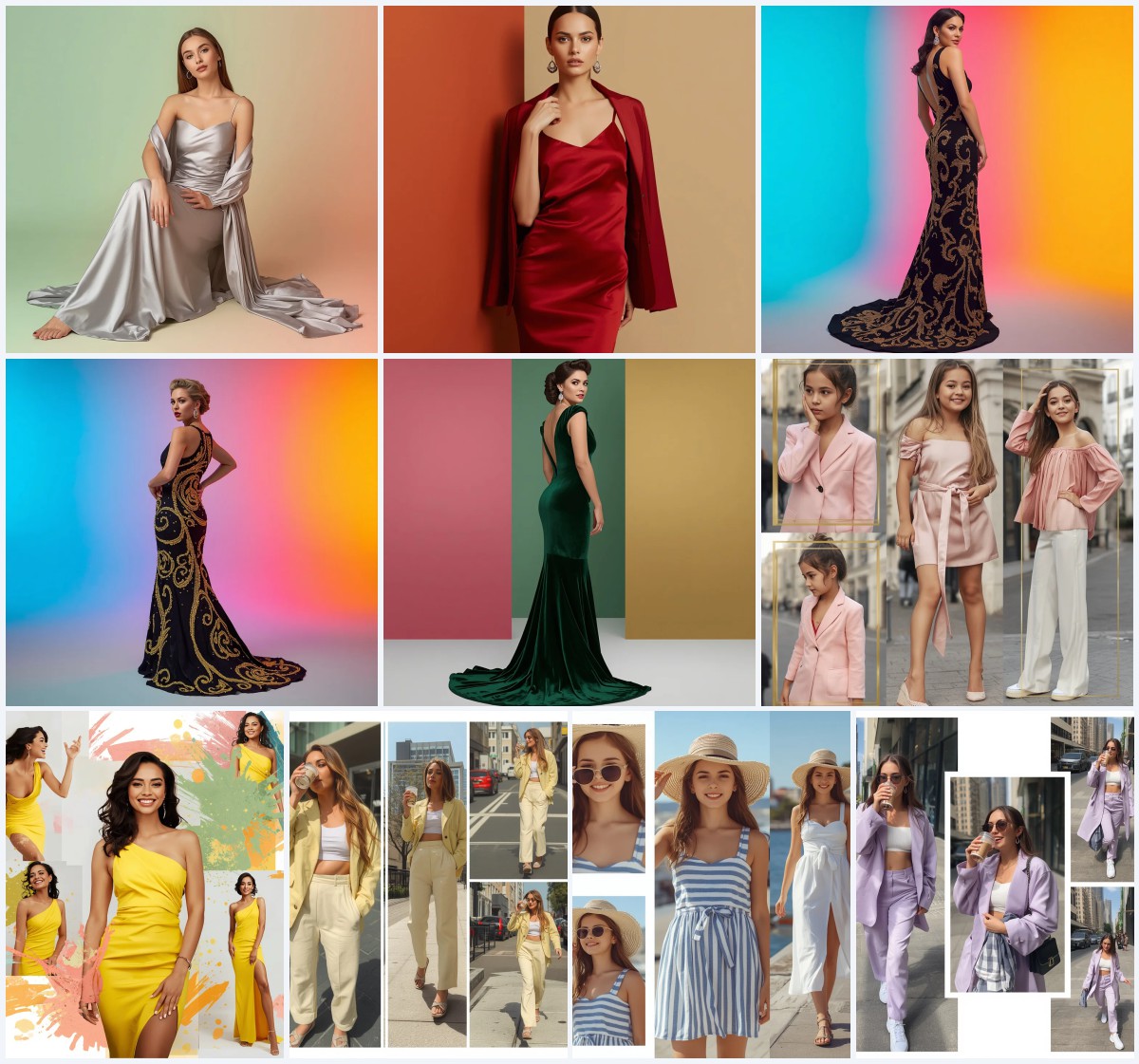
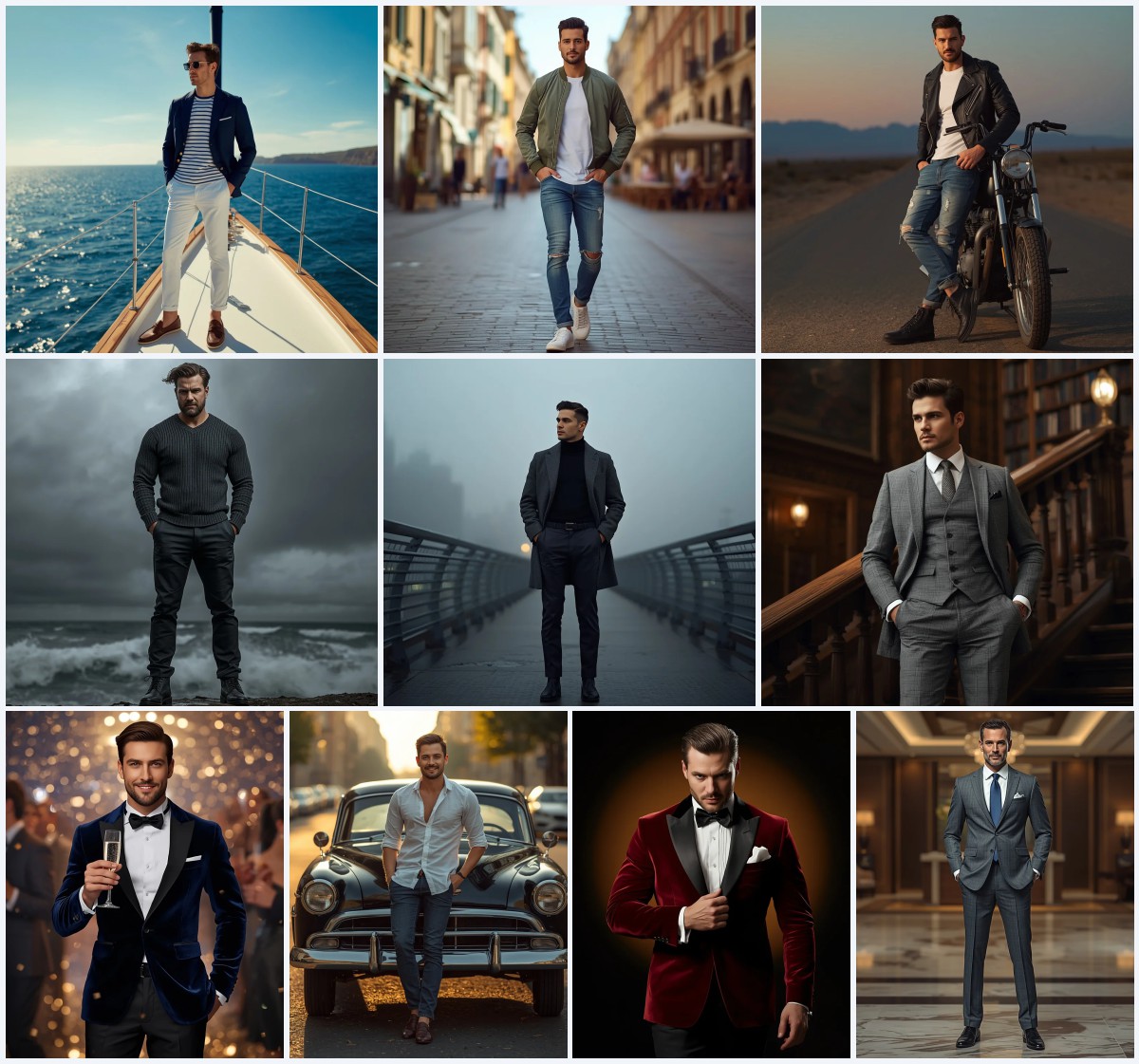
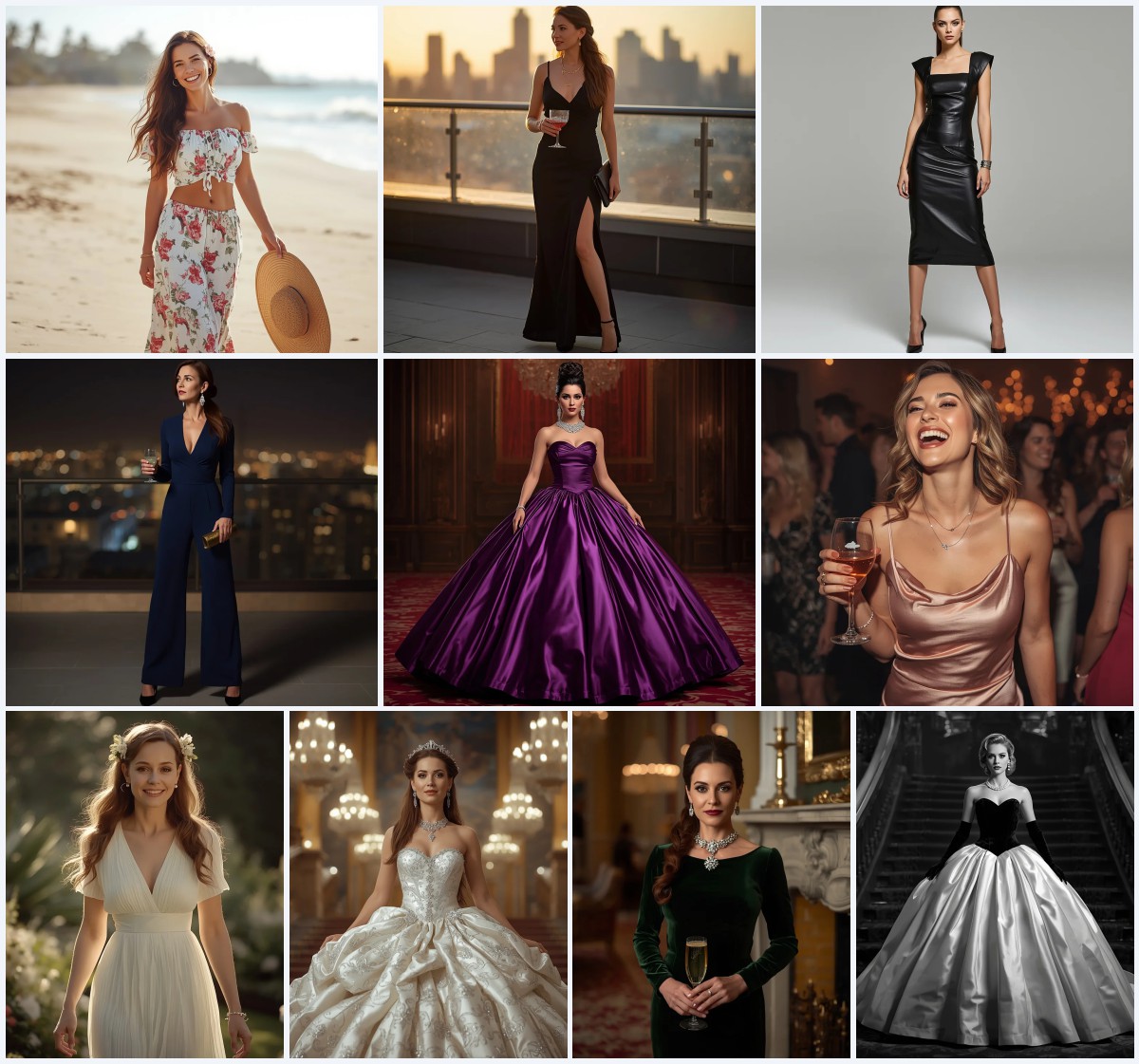
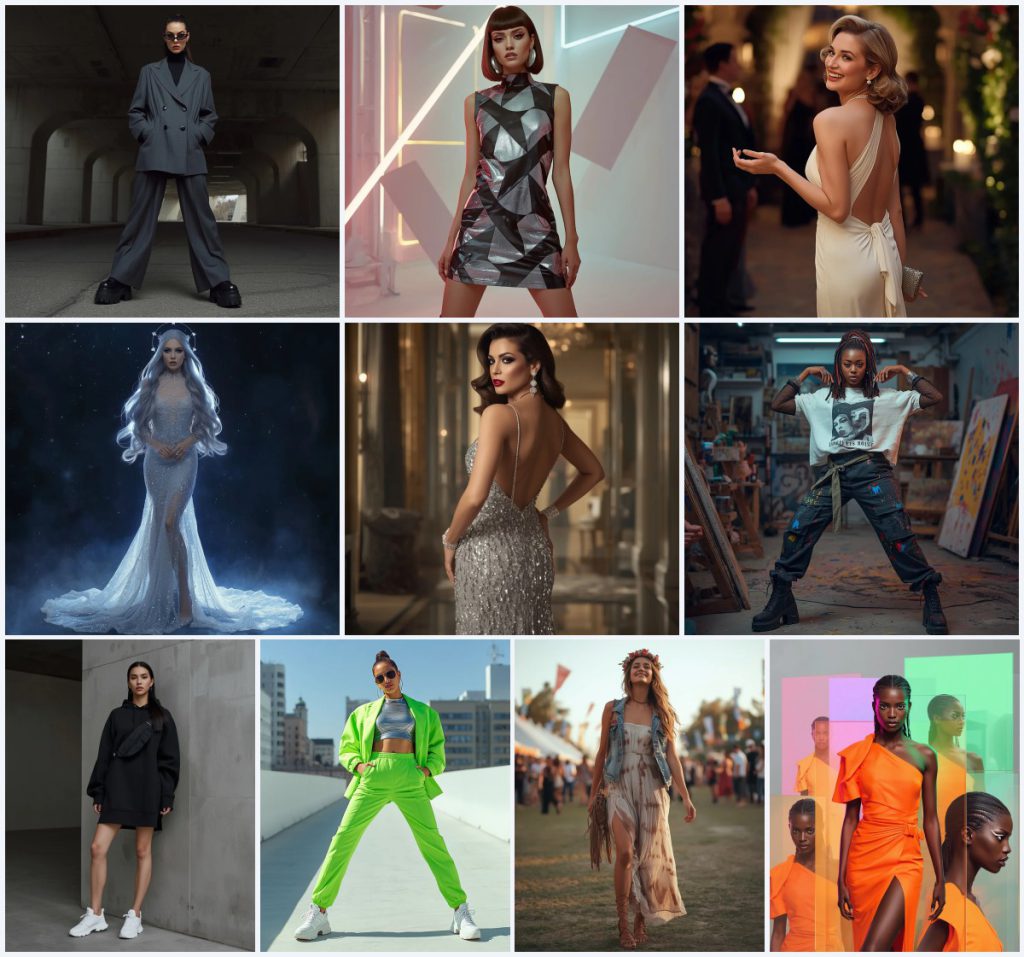
This collection gathers ten fashion-forward AI image prompts that share one glossy editorial language: a single figure, a strong pose, and a background that behaves like a set. The titles range from a street style icon in avant-garde tailoring to a retro-futuristic model in geometric panels, and from a silver screen icon in a halter gown to an otherworldly muse in a celestial gown. Later entries move through an iconic diva in sequins, a modern artist in paint-splattered cargo pants, a minimalist in athleisure, a fashion-forward influencer in a neon tracksuit, a modern bohemian at an outdoor festival, and a final collage of pastel acrylic panels.
Read them as one family rather than ten strangers. Each prompt fixes the camera at full body, names the clothing piece by piece, then hands the mood to lighting and location. That repeating structure is what makes the set useful: once you understand one entry, you can steer the others without rewriting them from scratch. The notes below cover what the prompts contain, which clauses matter most, how to run them in common generators, and where they usually break.
What this vintage collectibles prompt set is asking for
The shared request across the collection is a full-body fashion portrait with a named subject, a described outfit, and a controlled background. The wording stays specific about fabric, silhouette, and accessories, which keeps results close to an editorial shoot instead of a generic model photo. Even the collage entry keeps the same discipline by splitting one look across floating pastel acrylic panels.
- A named subject type, such as a street style icon, a retro-futuristic model, or a modern bohemian.
- A full-body pose described in words, including gestures like a hand on the hip or a gentle head tilt.
- Layered garment detail, from an oversized charcoal grey suit to a neon orange asymmetrical party dress.
- Accessories that finish the look, such as futuristic sunglasses, pearl earrings, or oversized aviator sunglasses.
- A styled background, including a raw concrete underpass, a minimalist studio, or a lavish garden party.
- A lighting instruction, usually cinematic, with hard-edged, diffused, or warm natural variants.
The scene each prompt builds
Every entry places a figure inside a location that supports the outfit. The street style icon stands "in front of a raw concrete underpass" with "strong geometric lines and dramatic shadows," while the retro-futuristic model works against "a minimalist studio with glowing neon stripes and abstract shapes." The silver screen icon is set at "a lavish garden party at a vintage estate," and the otherworldly muse floats in "a cosmic void."
The pose and camera stay consistent too. Each subject is captured in a "full-body" framing, and the expression is written down: "intense and mysterious," "cool and composed," or "joyful and carefree, eyes closed in bliss." That pairing of a fixed frame with a written expression is what keeps the set visually coherent across ten very different outfits.
Three styles inside this prompt set
Three style directions live inside this collection, and each one stays within the wording already present. Do not push the set toward a different genre; the prompts already carry their own look, and the collage entry should remain a collage.
- High-fashion editorial: The charcoal suit, platform boots, and harsh directional lighting read as a magazine spread shot in an urban underpass.
- Retro-futuristic studio: Metallic silver and black geometric panels, neon stripes, and hard-edged lighting create a clean, graphic, near-future studio look.
- Classic Hollywood glamour: Sequins, old Hollywood waves, a plunging neckline, and a soft art deco lounge produce polished, timeless red-carpet imagery.
How to run these prompts step by step
Work through the collection one prompt at a time and keep the variables you control separate from the ones the model decides. The order below keeps you from wasting generations on a look you have not yet framed properly.
- Copy the prompt. Take the full text of one entry, such as the street style icon or the celestial muse, without trimming the clothing or lighting clauses.
- Upload a reference. If you have a photo you own or have rights to use, add it as a style or pose reference so the model anchors to a real silhouette.
- Set the frame. Confirm the aspect ratio and full-body framing before you generate, since every entry is written for a standing figure.
- Generate a batch. Run several seeds at once so you can compare how the outfit, background, and light interact before you commit.
- Check hands, face, and the main object. Look closely at fingers, the facial expression, and the key garment, such as the double-breasted blazer or the geometric shift dress.
- Refine and re-run. Adjust one clause at a time, usually the lighting or the background, and regenerate until the frame matches the written scene.
Using a reference photo with this set
A reference photo is optional but useful when you want a specific body type, pose, or fabric behavior. Keep the reference simple and well lit so the model reads the silhouette instead of the noise.
- Choose a full-body photo with clear separation between the figure and the background.
- Match the reference lighting to the prompt, since harsh directional light and soft diffused light behave very differently.
- Keep the reference free of busy patterns that could leak into the outfit or the studio background.
Which generator to use
All four tools below can handle this collection, but they differ in how much control you get over pose, text detail, and realism. Match the tool to the entry you are running.
| Tool | Access | Typical realism | Useful here for |
|---|---|---|---|
| ChatGPT | Free and paid tiers | Good with clear instructions | Drafting variations of the charcoal grey suit and the neon green tracksuit before you generate. |
| Google Gemini | Free and paid tiers | Strong on scene and lighting | Testing the raw concrete underpass and the cosmic void backgrounds quickly. |
| Leonardo AI | Free credits, paid plans | High detail on fabric and texture | Rendering the silver sequins and the interlocking metallic geometric panels with visible surface detail. |
| Midjourney | Paid subscription | Very high editorial polish | Producing the old Hollywood waves and the pastel acrylic panel collage with strong composition. |
Practical tips for cleaner results
Small wording choices change these images more than you would expect. Keep the named materials and objects intact, because they carry the look.
- Keep the fabric words, such as the fluidly draped gown or the paint-splattered cargo pants, since they control how the cloth falls.
- Preserve the accessory list, including the fringed cross-body bag and the delicate pearl earrings, so the outfit does not read as unfinished.
- Repeat the lighting phrase, whether it is harsh directional or warm natural, because light is what sells the location.
Common problems and how to fix them
These prompts are specific, but they can still fail in predictable ways. Most fixes come down to changing one clause rather than rewriting the whole prompt.
| Issue | What to change |
|---|---|
| Distorted hands or fingers | Add a clause that keeps hands relaxed and visible, or crop slightly tighter on the figure. |
| Blank or mismatched expression | Restate the written expression, such as intense and mysterious or joyful and carefree, near the start of the prompt. |
| Background overwhelms the outfit | Reduce the background detail and keep only the named location, such as the raw concrete underpass or the minimalist studio. |
| Garment loses its shape | Name the silhouette again, including the wide-leg trousers or the structured shoulders, and lower competing texture words. |
Frequently Asked Questions
Can I run all ten prompts in one image?
No. Each entry is written for a single figure and a single scene. Run them separately, except for the collage entry, which already splits one look across floating pastel acrylic panels.
Do I need a reference photo for these prompts?
It is optional. The prompts are detailed enough to work from text alone, but a reference helps when you want a specific pose or body type, as long as you have the right to use it.
Why do my results look flat compared to the prompt?
The lighting clause is usually the cause. Restate the cinematic lighting instruction, whether harsh directional, hard-edged, diffused, or warm natural, and regenerate.
Conclusion
This collection works best when you treat it as a single editorial system rather than ten unrelated ideas. Keep the outfit layers, the named background, and the lighting phrase intact, then change only one variable per run. That habit will get you from the charcoal grey suit in the concrete underpass to the pastel acrylic panel collage without losing the polished, fashion-forward tone that ties the set together.